
Welcome to Watershed DNA
Search Topics
- DNA Surprise 43
- NPE 38
- DNA Discovery 35
- DNA 33
- Direct to Consumer DNA 25
- Adoption 21
- Adoptees 19
- Ancestry Testing 17
- Family Search 17
- Misattributed Parentage 17
- Home DNA Test 14
- Medical Genetics 14
- Donor Conception 13
- 23andMe 12
- Biological Family 12
- Genetic Counselor 12
- Podcast 12
- Genetic Genealogy 11
- Genetics 11
- Biological Father 10
- DTC Genetics 10
- DNA Test 9
- At Home Testing 8
- DNA Shocks 8
- Family History 8
- Sperm Donation 8
- DNA Support 7
- Genetic Counseling 7
- ROH 7
- Raw Data 7
- Support 7
- DNA Guide for Adoptees 6
- Donor Conceived 6
- Promethease 6
- Alzheimer 5
- DNA Podcast 5
- Family 5
- Forensic Genealogy 5
- Genetic Testing 5
- Paternity 5
- Resources 5
- Stem Cell Transplant 5
- Birth Parents 4
- Egg Donation 4
- Family Health History 4
- Family Secrets 4
- GEDMatch 4
- Non-Paternity 4
- Support Group 4
- Ancestry 3
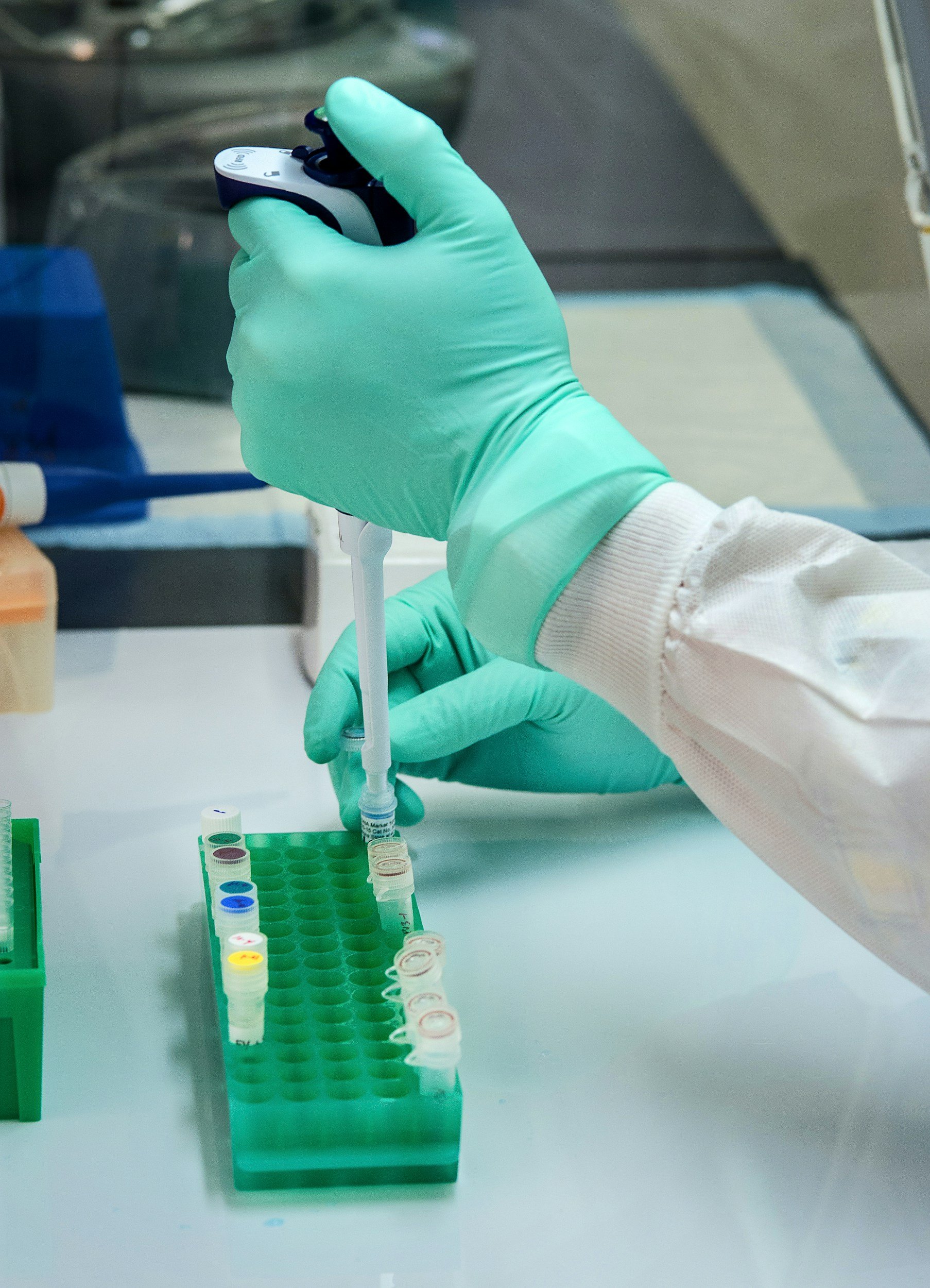
Forensic investigative genetic genealogy: what is it?
Forensic investigative genetic genealogy (FIGG) is in the news again, most recently because of its relevance in the case of the disappearance of Nancy Guthrie, the 84-year-old mother of “Today” anchor Savannah Guthrie. Sources report that after a failure of finding a match in the CODIS database, FIGG is being used to attempt to identify a mixed DNA profile found inside the home and not connected to Guthrie family members.
What are CODIS and FIGG? In today’s short post, I’ll provide a quick overview of these two acronyms and their application in DNA testing and analysis for criminal investigations. For further learning, you can read about FIGG or listen to DNA Clarity and Support podcast guest J.C. Kenney, an author who researched and incorporated FIGG into the story of fictional investigator Allie Cobb.