
Welcome to Watershed DNA
Search Topics
- DNA Surprise 43
- NPE 38
- DNA Discovery 35
- DNA 33
- Direct to Consumer DNA 25
- Adoption 21
- Adoptees 19
- Ancestry Testing 17
- Family Search 17
- Misattributed Parentage 17
- Home DNA Test 14
- Medical Genetics 14
- Donor Conception 13
- 23andMe 12
- Biological Family 12
- Genetic Counselor 12
- Podcast 12
- Genetic Genealogy 11
- Genetics 11
- Biological Father 10
- DTC Genetics 10
- DNA Test 9
- At Home Testing 8
- DNA Shocks 8
- Family History 8
- Sperm Donation 8
- DNA Support 7
- Genetic Counseling 7
- ROH 7
- Raw Data 7
- Support 7
- DNA Guide for Adoptees 6
- Donor Conceived 6
- Promethease 6
- Alzheimer 5
- DNA Podcast 5
- Family 5
- Forensic Genealogy 5
- Genetic Testing 5
- Paternity 5
- Resources 5
- Stem Cell Transplant 5
- Birth Parents 4
- Egg Donation 4
- Family Health History 4
- Family Secrets 4
- GEDMatch 4
- Non-Paternity 4
- Support Group 4
- Ancestry 3

When ROH Reveals the Past: Adoption, Stigmatized Conceptions, and Finding Support
In this episode of DNA Clarity and Support, John joins Brianne to talk about what it was like to make the discovery of ROH, how his understanding of his origins developed over time, and how he came to a place of acceptance. Their conversation also explores the importance of accurately interpreting DNA results when a person has a high amount of runs of homozygosity, or ROH, a pattern that can indicate that biological parents share recent common ancestry (incest).
From Discovery to Family: Ed and Kami's Story
Listen in on this special Father's Day edition of DNA Clarity and Support to hear the story as told from Ed's perspective as a late-discovery biological father as well as from that of his newly-discovered biological daughter, Kami.
Their story offers a rare opportunity to hear how a DNA discovery unfolds on both sides of the relationship. You'll hear what navigating uncertainty looked like for each of them, how their expectations evolved over time, and how a discovery that began in late 2020 grew into a close and lasting family connection that now includes regular gatherings with an expanded circle of relatives.

Virginia adoptees now have access to original birth certificates
Big news for adoptees born in Virginia!
Yesterday, Virginia Governor Abigail Spanberger signed House Bill 301 into law, granting adoptees access to their original birth certificates (OBCs). This makes Virginia the latest in a string of states granting open access to OBCs.
Why does this matter? Because it opens another path to discovering your biological family and origins. Two paths—the DNA-first route and the records-first route—help adoptees begin a search for biological relatives. Here’s how to get started…
Bio dad Arnold returns for “part two” to answer listener questions
Arnold first shared about his experience discovering an unknown biological daughter on the Watershed DNA blog many years ago. In episode 3 this season, Arnold joined Brianne to share more of his story. He is back again to answer listener questions, offering reassurance and parting words to fathers and families who find themselves in a similar situation.
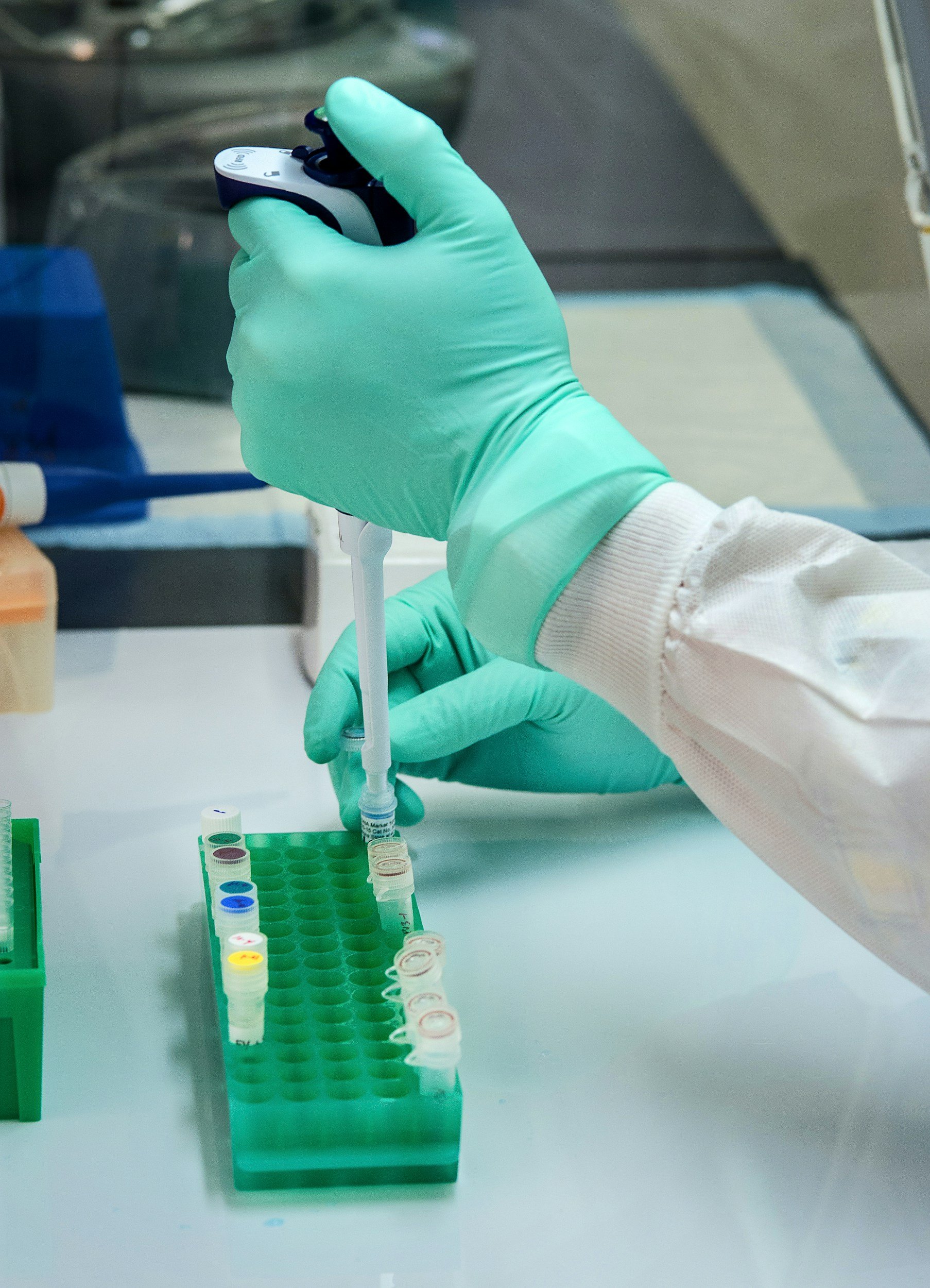
Forensic investigative genetic genealogy: what is it?
Forensic investigative genetic genealogy (FIGG) is in the news again, most recently because of its relevance in the case of the disappearance of Nancy Guthrie, the 84-year-old mother of “Today” anchor Savannah Guthrie. Sources report that after a failure of finding a match in the CODIS database, FIGG is being used to attempt to identify a mixed DNA profile found inside the home and not connected to Guthrie family members.
What are CODIS and FIGG? In today’s short post, I’ll provide a quick overview of these two acronyms and their application in DNA testing and analysis for criminal investigations. For further learning, you can read about FIGG or listen to DNA Clarity and Support podcast guest J.C. Kenney, an author who researched and incorporated FIGG into the story of fictional investigator Allie Cobb.

When your biological father is keeping you a secret
I have worked with biological fathers on the other side of discovery, and some are struggling to balance it all and know what is the “right” thing to do. The best outcomes happen when communication is slow and paced (think snail mail pace and not Facebook chats and text messaging). Decisions to meet up need to be based on all-around readiness, not geographical convenience or other pressure.
“Take a deep breath…feel whatever it is you’re feeling”—a conversation with Maria Leonard Olsen
Maria's discovery that she's an NPE was one in a series of major life shocks she has weathered. From surviving childhood trauma to achieving sobriety, Maria has turned the adversity she's faced into inspiring TEDx talks, a podcast, presentations, and multiple books. Her next book, which covers the gamut of topics raised by consumer DNA testing, is due out in 2026.

A Father’s Story: Six Years After the Unexpected DNA Discovery of a Child
Today’s guest, Arnold (shared with permission), reflects on the past six years since he first learned he had a biological daughter he never knew existed. His story is one of vulnerability and openness, of loss and healing, and finding courage to reveal a surprise child discovery after years of choosing not to share.
This episode covers:
Arnold’s experience of preparing to share about his biological child discovery, first with his wife and later his children
Arnold (and his late wife’s) decision to meet his biological daughter in person and develop a relationship with her privately
Finding community with other bio dads and from online support groups
How coaching with Brianne set him up for success in sharing the surprise news
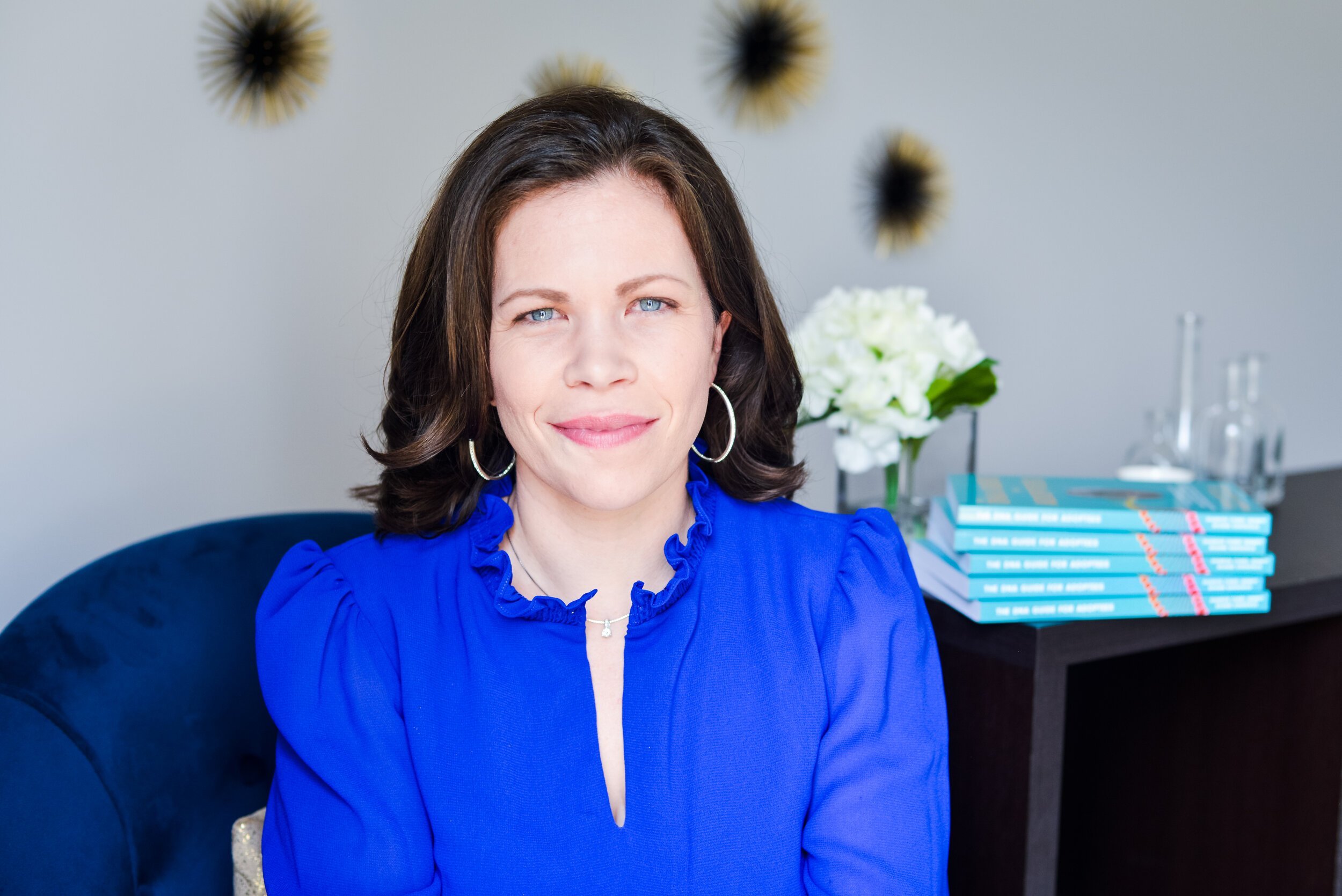
How can a genetic counselor help someone after a DNA surprise?
Genetic counselors are healthcare professionals trained in both medical genetics and counseling. Most are comfortable answering questions about the health implications of DNA test results. This includes what conditions may run in families, what risks might exist for relatives, and when medical follow-up is recommended. Read more about genetic counselors from Brianne Kirkpatrick Williams and Watershed DNA.
When the Professional Meets the Personal: a Conversation with Genetic Counselor Jen Jacober
In this episode of DNA Clarity and Support, Brianne talks with Jen Jacober, a genetic counselor who brings a deeply personal perspective to her work. Jen is a late-discovery donor-conceived person, and she opens up about what it was like to learn this truth as an adult—and how that experience has shaped her understanding of herself and influenced her professional practice.